Research, Development, and Innovation
RESEARCH CLUSTERS
#1 Emerging Technologies for Earth Monitoring and Remote Sensing of Urban Systems
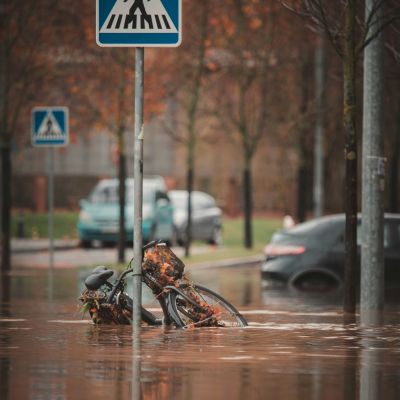
Remote sensing enhances our understanding of the climate system and its changes by enabling monitoring of the Earth’s surface, oceans, and atmosphere across various scales. This technology collects data from dangerous or inaccessible areas, aiding climate change adaptation through (i) resource management, (ii) agricultural practices, (iii) resource allocation during heat events, (iv) flooding and water monitoring, (v) informed water management, (vi) drought impact evaluation, (vii) climate system simulation, and (viii) improved projections. Remote sensing also strengthens warnings and preparedness in disaster risk management. Geographic Information Systems (GIS) with satellite technology develop early warning systems for managing climate-related disasters like floods and droughts. The goal is to provide a comprehensive information set focused on urban environments, enhancing community, economic, and public service preparedness for climate change impacts. This system will aggregate data from earth observation satellites and in situ sensors to help city managers better prepare for extreme events in megacities like New York City, delivering insights on water, land, climate change, and emergency management. Read more
#2 Climate modeling for urban energy, health, and decision making
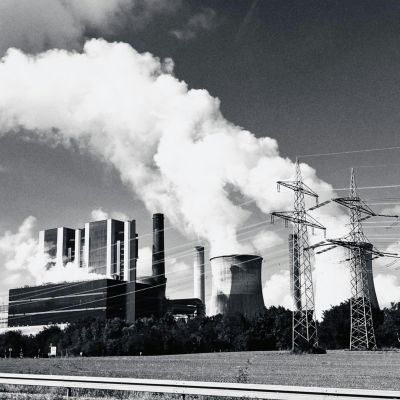
Climate models have significantly advanced our understanding of how climate change impacts at both regional and global scales. Nevertheless, urban areas—home to nearly 70% of the world’s population by century’s end—are still underrepresented in these models. Our innovative work directly addresses this gap. We have developed cutting-edge numerical models capable of simulating climate and weather processes at urban scales and projecting future climate impacts on cities. These models incorporate detailed urban physics and chemistry, enabling the study of extreme events such as heatwaves, thunderstorms, and air pollution—factors that critically affect health and infrastructure. By dynamically coupling anthropogenic activities and key urban systems like energy infrastructure, our models provide crucial insights into human exposure to extreme events. This comprehensive modeling framework has already proven invaluable in guiding vital decisions for socio-environmental policy and urban resilience, underscoring its importance in shaping a safer, more sustainable future. Read more
#3 Energy Innovations for Sustainable Urban Environments
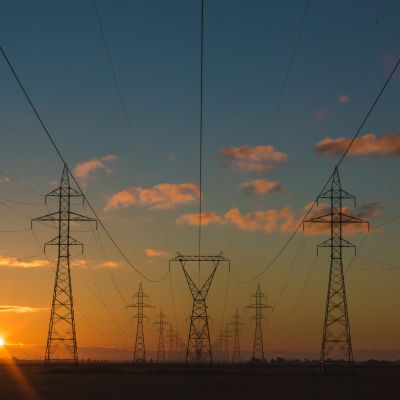
Addressing global warming from greenhouse gas emissions requires a dual strategy: reducing fossil fuel reliance and enhancing energy system resilience. This involves leveraging renewable sources like solar and wind and integrating carbon-free options like nuclear. The key challenge is adequate energy storage for a reliable supply—via batteries or chemical methods. While batteries play a vital role, modern advancements are crucial for longer power retention, especially during periods without sun or wind. However, they may not fully meet the long-term storage needs for baseload power generation. Here, chemical energy storage, such as green hydrogen, comes into play, allowing energy to be captured, stored as chemicals, and released as needed. This renewable-generated storage method is akin to fossil fuels but without carbon emissions. Transitioning to a low-carbon energy future powered by solar and wind is essential for combating climate change, yet the challenge of energy storage remains. We will focus on green hydrogen for power generation, highlighting its production and storage for extensive energy needs.